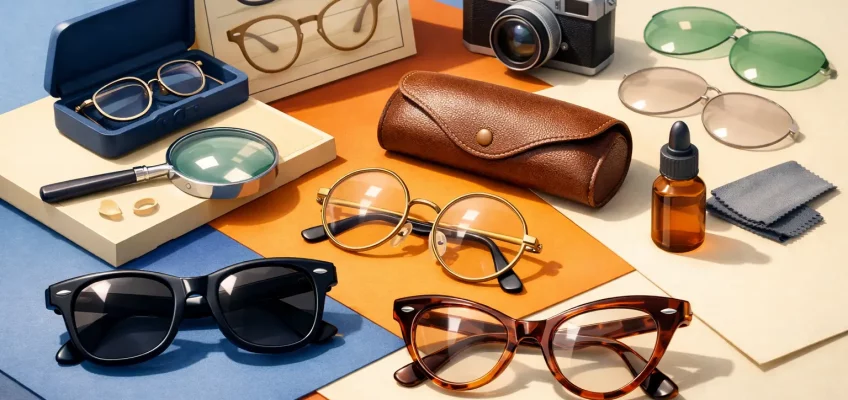
A great pair of vintage frames can make a new pair look a bit forgettable. The shape has more character, the branding often feels more considered, and the price can be far kinder than buying current-season designer eyewear. That is exactly why a guide to buying vintage eyewear matters – not to make the process complicated, but to help you spot the difference between a smart find and an expensive mistake.
Vintage and preloved eyewear can be brilliant value, especially if you want branded frames without paying full retail prices. But value only counts if the frames are genuine, wearable and honestly described. When you are shopping online, the right details matter more than glossy sales language.
What to look for in a guide to buying vintage eyewear
The first thing to understand is that vintage eyewear is not one single category. Some pairs are true vintage pieces from past decades. Others are discontinued designer styles that now have a vintage look or feel. Some are simply preloved branded frames with plenty of life left in them. For most shoppers, the exact label matters less than getting a pair that suits your face, works with your prescription and feels worth the money.
That is why condition should come before nostalgia. A frame might have a fantastic 90s silhouette or a recognisable designer name, but if the hinges are loose, the arms are uneven or the acetate is badly worn, the bargain quickly becomes less appealing. Small signs of age can be part of the charm. Structural problems are another matter.
When browsing, pay close attention to how the frame has been checked and described. Cleaned, inspected and graded eyewear gives you a much clearer idea of what you are buying than vague phrases like “good used condition”. In a resale category, trust comes from specifics.
Start with fit, not just style
It is easy to fall for a frame shape first and think about fit later. That usually leads to returns, disappointment or a pair that sits in a drawer unworn. Vintage eyewear should still do the practical job of fitting your face comfortably.
Look for the frame measurements, especially lens width, bridge width and arm length. If you already own glasses that fit well, compare those numbers before buying. This is one of the simplest ways to narrow the field quickly. A brilliant designer frame at a low price is still the wrong buy if it pinches at the temples or slides down your nose.
Face shape can help, but it should not rule your decision. Rounder faces often suit more angular frames, while softer curves can balance strong features. That said, personal style counts just as much. Some people want subtle everyday frames. Others want something more fashion-led and distinctive. Vintage eyewear works well for both, provided the fit is right.
Condition is where the real value sits
When buying second-hand or vintage frames, condition is not a minor detail. It is the detail. Online shoppers need to know whether they are getting a pair that is lightly worn, visibly used or close to excellent.
Good product photography should show the front, sides, hinges and bridge area clearly. You want to see whether the arms align properly, whether there are scratches on the frame, and whether there is any wear at the nose pads or temple tips. Signs of previous use are normal. Deep chips, warping or missing parts are not.
This is where professional inspection makes a big difference. A carefully selected and cleaned pair of frames is far more reassuring than an unvetted private listing. If a retailer also grades condition, that gives you a better sense of what “used” really means. For budget-conscious shoppers, that grading can help you decide whether to pay a little more for a cleaner finish or save more on a pair with minor cosmetic wear.
Authenticity matters more with branded eyewear
Part of the appeal of buying vintage designer frames is getting recognised labels for less. But branded eyewear only holds its value if it is genuine. That does not mean every shopper needs to become an authenticity expert overnight, though a little caution goes a long way.
Brand markings should be consistent with the label and style. The inside arms often carry model numbers, size information and branding, but these details should look clean and properly finished rather than poorly printed or oddly placed. Hinges, logos and overall build quality also tend to tell a story. Designer frames usually feel considered in a way cheaper copies do not.
The safest route is usually to buy from a specialist retailer that checks authenticity as part of its process. Private resale can sometimes bring lower prices, but it also carries more uncertainty. If you are weighing up one bargain against another, trust and product assurance are often worth paying for.
Think about lenses early
Frames are the main event when shopping vintage, but lenses still matter. Some buyers want to fit prescription lenses straight away. Others are shopping for fashion frames and may not need immediate reglazing. Either way, make sure the frame is suitable for your plans.
Most quality vintage and preloved frames can be reglazed, but it depends on the condition and construction of the frame. Very delicate older styles or heavily worn pairs may not be ideal for new lenses. If you need a reliable everyday option, sturdier designer frames are often the smarter choice than ultra-fragile statement pieces.
It is also worth checking whether the frame shape will work comfortably with your prescription. Large lenses can look striking, but stronger prescriptions may result in thicker edges depending on the lens type. A smaller or slightly deeper frame can sometimes be more flattering and practical.
Price should make sense, not just look low
One of the biggest reasons people buy vintage eyewear is price. That makes sense. You can often access well-made branded frames for far less than new retail. But the cheapest option is not automatically the best value.
A very low price can be appealing, yet if the frame needs adjustment, repair or replacement parts, your savings disappear quickly. On the other hand, a slightly higher price for a cleaner, authenticated and properly graded pair can still represent excellent value. The sweet spot is usually where condition, brand and wearability all line up.
It also helps to be realistic about what you are paying for. A distinctive discontinued designer frame in excellent condition may cost more than a generic used pair, and fairly so. Vintage eyewear tends to reward shoppers who think in terms of long-term wear rather than the thrill of getting the lowest possible price.
A practical guide to buying vintage eyewear online
Buying online is convenient, but it does ask you to shop with a sharper eye. Start with the listing itself. Measurements, clear photos, condition notes and brand details should all be present. If any of those are missing, confidence drops.
Then look at the retailer’s approach. Are the frames curated or simply uploaded in bulk? Are they described in a way that helps you judge quality? Has the pair been cleaned and checked? These details may sound small, but they are often what separate a reliable purchase from a risky one.
For many shoppers, this is why curated resale works so well. A specialist seller such as Maryten removes much of the uncertainty by focusing on genuine branded frames that have been inspected, cleaned and graded before they reach the listing. That means you can concentrate on style, fit and value instead of second-guessing the basics.
Style trends come and go, but wearability wins
Vintage eyewear is full of tempting shapes – oversized squares, slim metal frames, soft cat-eyes, classic rectangles. It can be fun to chase a look, especially when older designer styles feel more individual than current high street options. Still, the frame you wear three times a week is usually a better buy than the one you admire once.
That does not mean playing safe. It means choosing with a bit of honesty. If your wardrobe is simple, a bold branded frame can do a lot of work. If you already dress in prints or statement colours, a cleaner frame shape might give you more mileage. The best vintage eyewear tends to feel like a natural extension of your style rather than a costume.
There is also a sustainability angle here that deserves credit without overcomplicating it. Buying preloved frames is a more considered alternative to buying new. You are extending the life of a quality item, reducing waste and often getting better craftsmanship for less money. That is good sense as much as good style.
The smartest vintage eyewear purchase usually comes down to a simple balance: choose a frame you genuinely want to wear, make sure the fit and condition are right, and buy from someone who gives you clear reasons to trust the listing. When those pieces come together, vintage does not feel like a compromise at all – it feels like the better buy.
Looking for a frame? browse our vintage designer glasses frames – each one cleaned, inspected and sent with free tracked UK delivery.
