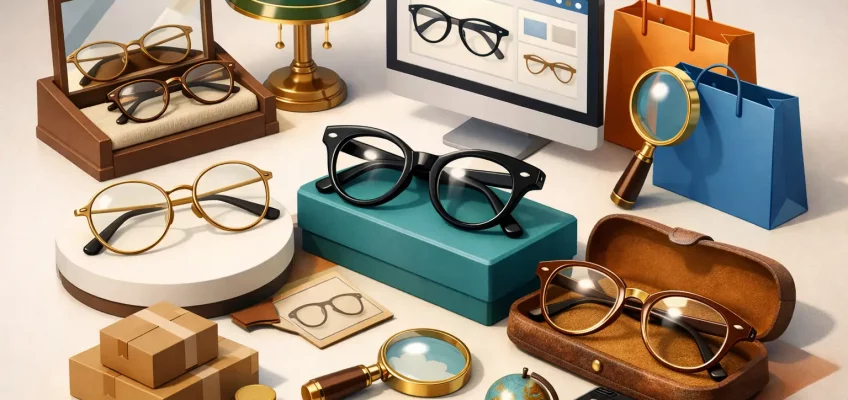
You can usually tell within a few seconds whether a pair of glasses has character or just a logo. Vintage frames tend to have both, which is why so many shoppers end up asking the same thing: where to buy vintage eyeglasses without taking a gamble on quality, fit or authenticity. The short answer is that the best place depends on what matters most to you – price, brand, condition, rarity or convenience.
If you want branded frames at a sensible price, the safest route is usually a specialist online reseller that focuses on inspected second-hand eyewear. That gives you a better balance of style, reassurance and value than buying blind from a general marketplace or hoping a charity shop has the right shape in the right size.
Where to buy vintage eyeglasses online
For most people, online is the easiest place to start. You get more choice, clearer filtering and a much better chance of finding a frame shape that suits your face and prescription needs. The key is not simply buying online, but buying from the right kind of seller.
A specialist vintage or preloved eyewear retailer is often the strongest option because the stock is selected with eyewear in mind, not added as an afterthought. That matters. Glasses are not like buying a second-hand jumper or handbag. Condition affects comfort, wearability and whether your optician can glaze the frames successfully. If the hinges are weak, the frame front is twisted or the measurements are vague, a bargain can stop looking like one very quickly.
A good resale eyewear shop should tell you what brand the frame is, what condition it is in and what size details are available. Ideally, the frames will also have been cleaned, checked and graded so you know what you are buying before it arrives. That is one reason curated sellers tend to appeal to shoppers who want recognisable designer labels without paying full retail prices.
The main places people buy vintage glasses
There is no single answer to where to buy vintage eyeglasses because different buying channels suit different shoppers. Some people enjoy the hunt. Others just want a dependable pair of branded frames without the full retail markup.
Specialist second-hand eyewear retailers
This is usually the most reassuring option if you care about condition and value in equal measure. Specialist sellers tend to understand frame construction, brand demand and the details buyers actually need, such as lens width, bridge size and temple length. They are also more likely to reject poor stock rather than listing everything and leaving the risk with the customer.
For shoppers who want designer names, this route makes particular sense. A curated retailer can offer vintage Marc Jacobs, Hugo Boss or Dolce & Gabbana frames at lower-than-new prices while still giving you confidence that the pair has been properly inspected. That combination of savings, brand value and sustainability is hard to beat.
General resale marketplaces
These can be useful if you are hunting for something very specific or discontinued. You may find unusual stock and lower prices, but the trade-off is inconsistency. Listings are often light on measurements, condition descriptions can be optimistic and it is not always easy to judge whether the frame has hidden wear or previous repairs.
That does not mean marketplaces are always a bad idea. They can work well for experienced buyers who already know their ideal frame size and are comfortable spotting signs of wear from photos. If you are buying your first vintage pair, they are usually less forgiving.
Charity shops, antique shops and flea markets
These are the romantic answer, and sometimes they do deliver. You might come across a brilliant one-off frame for very little money. The downside is obvious: selection is unpredictable, sizing information is rarely available and the condition may only become clear once you try the frames on properly.
They are best treated as treasure-hunt territory rather than a reliable shopping plan. If you need a wearable pair you can actually reglaze and use every day, a more structured online option is often the smarter choice.
Opticians with vintage or deadstock stock
A few independent opticians carry older branded frames or deadstock pieces. This can be helpful if you want in-person fitting and immediate professional advice. Prices can be higher than second-hand resale, though, especially for unworn frames. You are paying for service and convenience as much as the product itself.
What to look for before you buy
Once you know where to buy vintage eyeglasses, the next question is how to tell whether a listing is worth your money. The frame may look excellent in photos, but there are a few practical details that make all the difference.
Start with measurements. If a seller does not provide the frame size or at least enough detail to estimate fit, proceed carefully. Vintage styles vary a lot. Some are beautifully bold, others are surprisingly narrow by current standards. A frame that looks perfect on screen can feel completely wrong if the bridge is too tight or the temples are too short.
Condition comes next. Small cosmetic signs of wear are normal with vintage eyewear and do not have to be a problem. In fact, a lightly worn branded frame can still represent excellent value. What matters is whether the wear affects use. Scratches near the lens groove, damaged hinges, bent arms or signs of heat warping can all make reglazing more difficult.
It is also worth checking whether the seller describes the frame as vintage, second-hand or deadstock. Those terms are often used loosely, but they are not identical. Vintage usually means older and previously owned. Second-hand simply means preloved. Deadstock generally refers to older stock that was never sold or worn. None of these is automatically better than the others. It depends whether you want rarity, pristine condition or the best price.
How to buy branded vintage frames without overpaying
A recognisable label can still be a smart buy if you focus on the right things. The most useful question is not whether the brand is fashionable, but whether the frame itself is well made, wearable and fairly priced for its condition.
Designer vintage glasses often hold their appeal because the shapes are distinctive and the build quality is stronger than many cheaper modern alternatives. But branding alone should not push the price up beyond reason. If a pair is heavily worn, missing clear sizing details or photographed poorly, a premium price is harder to justify.
This is where a curated retailer earns its keep. When frames are selected, inspected and graded before sale, you are not paying simply for a label. You are paying for confidence as well. That is especially useful if you want branded glasses with everyday wear in mind rather than as a collector’s item. Maryten, for example, focuses on genuine branded frames that have been carefully checked and cleaned, which removes much of the uncertainty from buying preloved eyewear online.
Why trusted resale shops make sense
Buying second-hand eyewear should save money, not create extra hassle. That is why trust matters so much in this category. A good seller gives you enough information to make a clear decision, prices stock fairly according to condition and does not hide behind vague wording.
There is also the sustainability side, which matters to many shoppers but should still feel practical rather than preachy. Choosing a preloved pair keeps a usable frame in circulation and reduces demand for newly manufactured products. If that comes with a lower price and a stronger brand name than you might otherwise afford, it becomes an easy decision rather than a compromise.
The best vintage eyewear purchases usually sit in that sweet spot – stylish enough to feel special, affordable enough to make sense, and well-described enough that you can buy with confidence.
Where to buy vintage eyeglasses if fit is your priority
If fit comes before anything else, lean towards sellers that provide clear product photos, exact measurements and honest grading. Vintage frames are not one-size-fits-all, and an attractive shape is only useful if it sits properly and can take your prescription comfortably.
It helps if you already own a pair of glasses that fits you well. Compare those measurements with any vintage listing you are considering. That simple step can save a lot of guesswork. If a seller makes this comparison easy, that is usually a sign they understand what eyewear buyers actually need.
Shoppers who value convenience should also think about returns, though the perfect policy varies by seller. Some people are happy to buy final-sale frames if the price is low enough. Others would rather pay slightly more for extra peace of mind. Neither approach is wrong. It depends how confident you are in your sizing and how specific your taste is.
Vintage eyewear is at its best when it feels like a smart find, not a risky punt. If you want branded frames with personality, lower prices and a more sustainable story, buy from sellers who treat condition, authenticity and fit details seriously. The right pair is out there, and it is usually worth choosing the shop as carefully as the frame.
