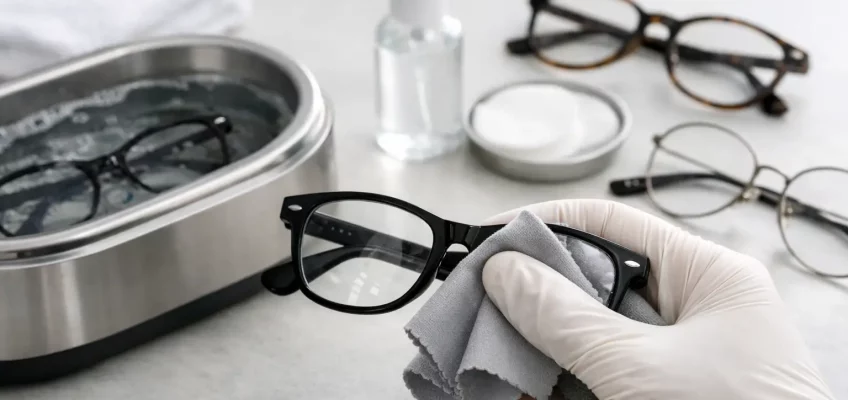
A good pair of branded frames should feel like a smart find, not a compromise. If you are wondering how are preloved glasses cleaned, the short answer is carefully, thoroughly and with more attention than many people expect. When second-hand eyewear is prepared properly, the process is designed to make the frames hygienic, presentable and ready to wear, while also protecting the finish, shape and long-term quality of the glasses.
That matters because preloved eyewear sits at the meeting point of style, value and trust. Shoppers are often happy to buy vintage or second-hand designer frames, but they want reassurance that the pair arriving through the post has been cleaned properly, checked closely and honestly described. Cleaning is only one part of that, but it is one of the most important parts.
How are preloved glasses cleaned before resale?
Preloved glasses are not usually given a quick wipe and listed online. A proper cleaning process starts with inspection. Before anything else, the frame is checked for obvious wear, damage, missing parts and signs of deeper grime around the nose pads, hinges, rims and temple tips. These are the areas where oils, dust, make-up and general daily build-up tend to collect.
Once the condition is understood, the glasses can be cleaned in a way that suits the material. That point is worth stressing because not all frames should be treated the same. Acetate, metal, mixed-material and vintage frames can all respond differently to moisture, cleaning fluids and handling. A careful reseller will clean thoroughly, but not aggressively.
In most cases, surface dirt is removed first with a gentle lens-safe and frame-safe cleaning approach. Any residue around joints or corners is then worked away more precisely. The aim is to lift grime without scratching the lenses, dulling glossy acetate, loosening coatings or affecting decorative branding details.
For many frames, sanitising follows cleaning rather than replacing it. That distinction matters. A frame can look clean and still need proper hygiene attention, especially around the parts that sit directly against the skin. Nose pads, bridge areas and arm tips all need extra care because they are the points of most frequent contact.
Cleaning and sanitising are not quite the same
People often use the two words as if they mean exactly the same thing, but they do slightly different jobs. Cleaning removes visible dirt, grease, dust and residue. Sanitising is about reducing bacteria and making the glasses feel fresh and suitable for the next wearer.
A trustworthy preparation process does both. If a pair is only polished up to look better in photographs, that is not enough. Equally, if a harsh sanitising method damages the finish or weakens older materials, that is not good practice either. The best approach balances hygiene with frame preservation.
This is especially important with designer and vintage glasses. Branded frames often include finer detailing, coated finishes or more delicate construction than basic budget eyewear. A heavy-handed treatment can spoil exactly what makes the glasses worth buying in the first place.
Which parts of the glasses need the most attention?
The dirtiest areas are rarely the ones you notice first in a product photo. Hinges trap debris surprisingly easily, especially on frames that have been worn daily. Nose pads can hold oils, make-up and skin residue, while the inner edges of the frame front often collect hidden build-up over time.
Temple tips also matter more than shoppers sometimes realise. They sit behind the ears for hours at a time, so they need to be properly cleaned and checked. On metal frames, there may also be tiny joins or screws that need close inspection. On acetate styles, the concern is often less about hidden debris and more about preserving shine while removing residue thoroughly.
Lenses, if included, need separate judgment. Some preloved frames are sold with existing demo lenses, some with used prescription lenses that are effectively placeholders, and some may be fitted with fresh lenses later. In any case, lenses should be cleaned carefully, but they are not treated as the same as the frame itself. Scratches, coating wear and visibility all need to be assessed honestly.
Why material makes a difference
If you have ever handled both chunky acetate glasses and lightweight metal frames, you will know they do not feel the same in the hand. They should not be cleaned exactly the same way either.
Acetate frames generally tolerate careful washing well, but they can still lose their lustre if cleaned with the wrong products. Strong chemicals can dry the surface or affect polished finishes. Metal frames may be durable, but they can still react badly if moisture is trapped in the wrong places or if plated finishes are rubbed too harshly.
Older vintage glasses need even more judgement. Some are beautifully made and hold up brilliantly. Others may have age-related fragility, even if they still look stylish and wearable. A careful reseller will clean with the frame’s condition in mind rather than pushing every pair through a one-size-fits-all routine.
That is one reason inspection and grading matter alongside cleaning. A pair can be thoroughly cleaned and still show light signs of age, and there is nothing wrong with that if it is clearly stated. Preloved should feel fresh, but it should also be honestly represented.
How condition checks work alongside cleaning
Shoppers often ask about hygiene first, but condition is just as important. Cleaning a pair of glasses properly gives the seller a closer view of what is really there. Once residue and dust are removed, any scratches, plating wear, loose hinges, faded branding or small marks become easier to spot.
That is helpful for two reasons. First, it allows the frame to be graded fairly. Second, it means the customer gets a more accurate idea of value. A pair of designer glasses does not have to look brand new to be worth buying, especially if the price reflects the condition. What matters is that the glasses are clean, wearable and described with care.
At Maryten, that trust is a big part of what makes preloved eyewear a smart buy. People are not just buying a label. They are buying reassurance that the branded frames have been selected, inspected and prepared properly.
Can preloved glasses ever be as clean as new ones?
In practical terms, yes, they can be thoroughly cleaned and sanitised to a high standard. But it helps to be realistic about what “as new” means. Hygiene and appearance are not always the same as untouched factory condition.
A preloved frame may be perfectly clean yet still show minor signs of previous wear, such as tiny surface marks or light ageing at the hinges. For most shoppers, that is a fair trade-off when the reward is genuine branded eyewear at a lower price. If the cleaning and grading have been done properly, those small signs of use do not take away from comfort, safety or style.
That is really the value of the resale model. You are not paying for shrink wrap. You are paying for quality frames, trusted preparation and a price that makes sense.
What shoppers should look for when buying cleaned preloved glasses
The best clue is not flashy wording. It is clear, practical information. A good product listing should mention inspection, cleaning and condition grading in straightforward terms. It should also show enough detail in the photographs for you to judge the frame honestly.
If the seller is confident about their process, they will usually be clear about what has been checked and how the glasses are presented. That includes whether lenses are included, whether there are visible signs of wear, and whether the pair has been cleaned and prepared before dispatch.
It also helps to buy from a retailer that specialises in eyewear rather than treating glasses as a random add-on. Eyewear needs a little more care than many second-hand accessories because fit, comfort and skin contact all matter. Sellers who understand frames tend to clean and assess them more carefully.
How are preloved glasses cleaned without damaging them?
The best answer is with restraint as much as effort. Proper cleaning is not about using the strongest products or the fastest method. It is about choosing the right approach for the frame, paying attention to high-contact areas and checking the result closely afterwards.
That balance is what gives shoppers confidence. You want frames that feel fresh and ready to wear, but you also want the branding, finish and shape to stay true to the original design. When those two things come together, preloved glasses stop feeling like a gamble and start feeling like a very sensible buy.
If you are shopping second-hand, look for the quiet signs of care – honest grading, clear photos, thoughtful preparation and sensible pricing. A well-cleaned pair of preloved glasses should not just look better. It should make buying designer eyewear feel easier, smarter and a bit more satisfying too.
Looking for a frame? browse our preloved designer glasses frames – every frame is cleaned, inspected and sent with free tracked UK delivery.
