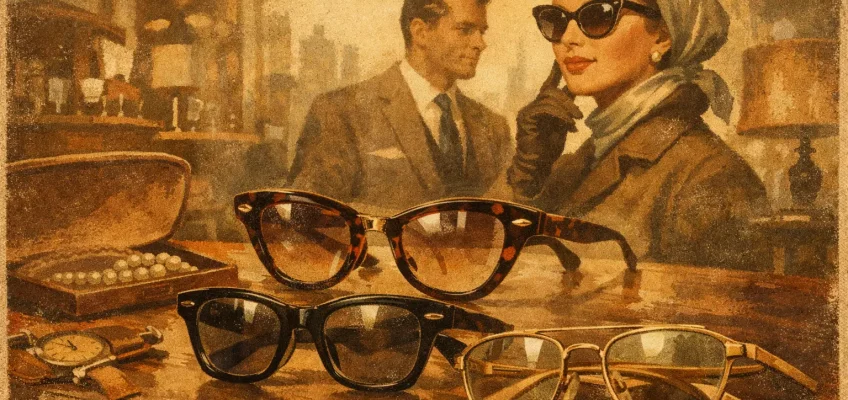
A full-price designer frame can look brilliant in the optician’s cabinet, right up until you see the total. That is exactly why used designer eyewear has become such a sensible choice for shoppers who want recognisable style, solid build quality and a price that feels far more realistic.
Buying pre-owned glasses is not about settling for less. In many cases, it is the opposite. You are getting access to better brands, more distinctive designs and stronger value than you might find when buying a brand new frame on a tighter budget. For anyone who cares about how their glasses look and how much they cost, that is a combination worth paying attention to.
What makes used designer eyewear so appealing?
The biggest draw is simple – brand value without the brand-new price tag. Designer frames are often made with better materials, more considered detailing and a clearer point of view when it comes to style. When those frames enter the second-hand market in good condition, they become available to more people.
That matters if you have been eyeing labels such as Marc Jacobs, Hugo Boss or Dolce & Gabbana but do not fancy paying full retail. It also matters if you wear glasses every day and want something that feels a bit more polished than a basic, low-cost frame.
There is also the style factor. Preloved stock often includes lines, shapes and colours that are no longer widely available. That can be a real advantage if you prefer eyewear with a bit of personality, or if current high street options feel too samey. Vintage and second-hand frames tend to offer more variety, which is useful when your glasses are one of the first things people notice.
Used designer eyewear vs buying new
Buying new does have its place. If you want the latest release, a very specific size or the reassurance of untouched stock, new may still be the right route. But it is not automatically the best value.
With used designer eyewear, the main benefit is that depreciation has already happened. Much like fashion, branded frames lose a chunk of their retail price once they are no longer sold as new, even when they remain in very good condition. That opens the door to smarter buying.
The trade-off is that availability is less predictable. You may not find the same frame in five different colours and three different sizes. Stock is usually more one-off, which means if you find a pair that suits you, it is often worth acting quickly. For many shoppers, that is a fair exchange for the savings.
Why condition checks matter more than the label
A designer name on the arm is not enough on its own. In resale eyewear, condition is what separates a great purchase from a disappointing one.
Frames should be checked for structural soundness, hinge performance, surface wear and overall presentation. They should also be cleaned properly and described honestly. A trustworthy reseller will not gloss over condition because they know customers are buying online and need a clear picture of what will arrive.
That is one reason inspection and grading matter so much. They remove guesswork. Rather than taking a chance on an anonymous listing, you can shop with a much better sense of whether a frame is in excellent, very good or more visibly worn condition. For budget-conscious buyers, that transparency is a big part of the value.
Authenticity is part of the value
If you are paying for designer eyewear, even at a reduced price, you want confidence that it is genuine. That should be a basic expectation, not a bonus.
In practice, authenticity is tied to the way stock is sourced and assessed. Reliable resale retailers know what to look for in branding, construction, finish and overall quality. They also understand that customers are not just buying a logo. They are buying the design standards and craftsmanship associated with that label.
This is especially important with used designer eyewear because trust drives the whole category. Without proper checks, low prices can feel risky. With them, the offer becomes much more straightforward – genuine branded frames at a better price.
The sustainable case is strong, but it still needs to be practical
Many shoppers are drawn to second-hand fashion because it helps reduce waste, and eyewear is no exception. Extending the life of a well-made frame is a more responsible choice than buying new purely out of habit.
That said, sustainability only works as a buying incentive if the product still makes sense on a practical level. Glasses have to fit your style, suit your prescription needs and feel comfortable to wear. The good news is that pre-owned designer frames can do all of that while also offering a lower-impact way to shop.
For plenty of people, that is the sweet spot – a purchase that feels better financially and environmentally, without asking them to compromise on appearance.
How to shop used designer eyewear with confidence
The first thing to check is sizing. If you already wear glasses, look at the measurements on the inside of your current frame. That gives you a useful benchmark for lens width, bridge width and arm length. It is one of the easiest ways to narrow down what is likely to fit well.
Next, pay attention to shape. If a frame style has suited you before, that is a good starting point. If not, think about how bold you want your glasses to look. Thicker acetate frames tend to make more of a statement, while slimmer metal styles usually feel lighter and more understated.
Then look carefully at condition notes. A small cosmetic mark may be perfectly acceptable if the price reflects it. A loose hinge or warped frame is a different matter. Honest grading helps you decide what level of wear you are comfortable with.
Finally, think in terms of overall value rather than just the lowest possible price. A slightly more expensive pair from a trusted specialist can be a much better buy than a cheaper pair with vague photos and little detail. That is where a curated retailer such as Maryten makes the process easier – the selection, cleaning, inspection and grading have already been taken seriously.
Who benefits most from buying pre-owned frames?
Used designer eyewear appeals to more than one type of shopper. If you love branded fashion but keep an eye on your budget, it is an obvious fit. If you wear glasses every day and want a frame that looks well made and feels individual, it also makes sense.
It is equally attractive to people who like vintage finds, discontinued designs or labels that hold their style well over time. And for anyone trying to shop more thoughtfully, pre-owned frames offer a simple way to cut waste without making the whole experience feel worthy or complicated.
The common thread is value. Not just a lower price, but a better balance between cost, quality and style.
When used designer eyewear is the smarter buy
There are moments when buying second-hand feels especially sensible. If you want a backup pair, a statement frame for occasional wear or a branded everyday option without stretching your budget, pre-owned is often the better route.
It also works well if you are open-minded about brands and enjoy browsing. Some of the best buys come from finding a frame you had not considered at first, simply because the quality, shape and price all line up.
Where people sometimes hesitate is around the idea of buying glasses online without seeing them in person. That is understandable. But clear measurements, accurate condition grading and proper product photography go a long way towards replacing that uncertainty with confidence.
A good frame does not become less stylish because it has had a previous owner. If anything, the opposite can be true. When it has been carefully selected, properly cleaned and honestly graded, used designer eyewear can be one of the smartest ways to buy glasses – especially if you want genuine labels, better prices and a more considered way to shop.
The best pair is not always the newest one on the shelf. Sometimes it is the one that gives you the look you want, the quality you expect and the price that feels right the moment you see it.
