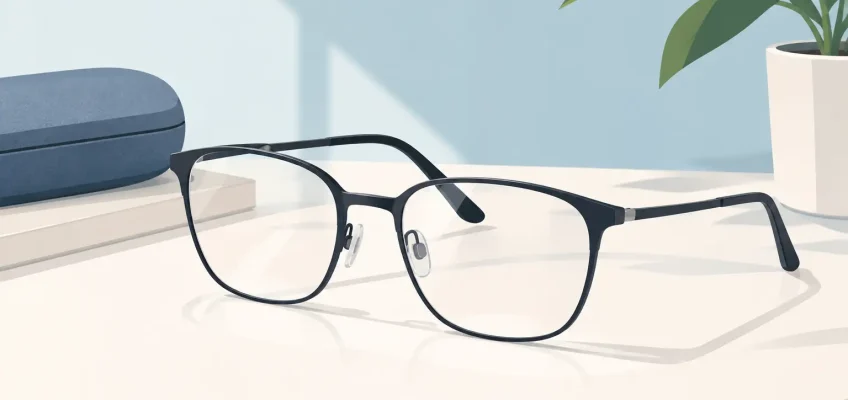
A frame can look perfect in the mirror and still spend most of its life in a case if it feels heavy by lunchtime. Lightweight designer glasses solve a very practical problem: they give you the polish of a recognised label without the constant pressure on your nose, ears or temples. For anyone wearing prescription glasses from breakfast to bedtime, that comfort matters just as much as colour, shape and brand.
The good news is that a lighter frame does not have to mean a flimsy one, or a full-price purchase. Well-made pre-loved designer frames can offer thoughtful materials, flattering design and long-term wear at a more sensible price. The key is knowing which details make a genuine difference.
Why lightweight designer glasses are worth considering
Weight affects how glasses feel after several hours, not just when you first try them on. A frame that is slightly too heavy can slide down the nose, leave marks on the bridge, press behind the ears or become distracting while working, reading or driving. These issues are often more noticeable with stronger prescriptions, as thicker lenses can add weight of their own.
Lighter frames can make daily wear feel easier. They are particularly useful if you switch between screens, meetings, commuting and time outdoors, when the last thing you want is to keep pushing your glasses back into place. They can also suit people who are new to wearing glasses and want a frame that feels less obvious on the face.
Designer eyewear is not automatically lightweight, of course. Some bold acetate frames are deliberately substantial, and that can be exactly the look you want. But many established eyewear brands put real care into hinge construction, temple shape and material choice, creating frames that feel balanced rather than bulky.
What makes a frame feel light?
The number on a scale is only part of the story. A well-balanced pair can feel more comfortable than a technically lighter frame that is poorly fitted. The bridge, temples and lens size all affect where the weight sits.
Material makes a difference
Metal frames are often a good starting point for shoppers seeking a lighter feel. Fine stainless steel, titanium-style designs and slim wire frames tend to have less visual and physical weight than thick acetate. They can be understated, smart and easy to wear with work clothes as well as weekend outfits.
Acetate frames can also be surprisingly light, especially when they have slimmer rims and narrower temples. Acetate brings more colour and character than many metal styles, from warm tortoiseshell effects to translucent neutrals and vintage-inspired tones. A chunky oversized frame will usually feel more noticeable, but a carefully shaped acetate design can still be comfortable for everyday use.
Plastic frames vary widely. Their comfort depends on the quality of the material, the thickness around the brow and temples, and the overall fit. This is one reason a recognised designer frame can be a smart second-hand buy: better-made frames often retain their shape and balance well when they have been properly cared for.
Smaller lenses usually mean less weight
Large lenses can look striking, but they require more lens material once your prescription is fitted. If your prescription is stronger, a smaller or medium-sized lens shape can help keep the finished glasses lighter and thinner.
This does not mean you have to choose tiny frames. A softly rounded, rectangular or modest cat-eye shape can offer enough lens coverage without creating unnecessary bulk. Look at the frame measurements and compare them with a pair you already wear comfortably. The lens width, bridge width and temple length are more useful than a general label such as small or medium.
Fit matters more than a logo
Glasses should rest securely without gripping the sides of your head. Temples that are too tight can cause soreness, while a bridge that is too wide may allow the frame to slip. Adjustable nose pads on many metal frames can be useful if you need a more tailored position on the nose.
For acetate frames, the bridge shape is especially important. A low bridge or a frame that is too wide may sit lower on the face, putting more pressure on the nose and cheeks. If you are unsure, compare the measurements of a favourite pair before ordering rather than relying on photographs alone.
How to choose a lighter frame that still suits your style
Comfort should not mean settling for a frame that feels anonymous. The right lightweight pair can complement your features while fitting naturally into the clothes and colours you already wear.
If you prefer a classic look, slim rectangular metal frames, rounded wire styles and neat tortoiseshell acetate are dependable choices. They are easy to wear daily and less likely to date quickly. Brands such as Hugo Boss and Boss Orange often offer clean, wearable shapes for shoppers who like a polished but unfussy finish.
For a softer or more expressive look, consider gentle cat-eye frames, transparent acetate or a patterned temple detail. Marc Jacobs and Cath Kidston styles can bring personality without requiring an oversized, heavy front. A little colour around the eyes can feel more distinctive than a thicker frame.
Vintage-inspired frames are another strong option. Smaller rounded lenses, keyhole bridges and fine metal details can offer the character of an older style while remaining relatively light. Just remember that vintage look and modern fit are not always the same thing. Check measurements carefully, especially if you usually wear a wider frame.
Buying pre-loved frames with confidence
Second-hand designer glasses are a practical way to access branded eyewear for less, but condition should always be clear. A frame may have minor signs of previous wear, and that is often reflected in the price. What matters is whether it remains structurally sound, clean and ready to be fitted with your own prescription lenses.
Before choosing, look closely at the product description, frame measurements and condition grade. Clear photographs should show the front, sides, hinges and any noticeable cosmetic marks. Pay attention to the hinge area, temples and nose pads, as these are the parts that work hardest during daily wear.
A carefully inspected and cleaned frame gives you a better starting point than an unknown pair from a car boot sale or an unverified listing. At Maryten, each selected frame is checked, cleaned and graded so you can focus on the style, fit and value rather than guessing at its condition.
Authenticity also matters when you are buying a designer name. Branding alone is not enough reason to choose a frame, but genuine branded eyewear can offer better finish, recognisable design and a more considered choice of materials. Buying pre-loved also keeps a quality frame in use for longer, which is a more sustainable alternative to treating glasses as a disposable fashion purchase.
A few practical checks before you order
Start with the measurements printed inside a pair you own. They are usually shown as three numbers, such as 52-17-140. These refer to lens width, bridge width and temple length in millimetres. A close match is often a safer choice, though frame shape can still change how the glasses sit.
Think about the lenses you plan to add. If you need a strong prescription, ask your optician about thinner, lighter lens options and whether the frame is suitable for your prescription. Rimless and very fine frames can be elegant, but they may not be the best match for every lens type. Your optician can advise before glazing.
Finally, be honest about how you will wear them. A delicate wire frame may be ideal for office days and occasions, while a slightly sturdier acetate pair might suit a busy commute, travelling or life with children. The best lightweight glasses are not necessarily the lightest available. They are the pair that stays comfortable, fits securely and still feels like you when you put them on.
A well-chosen pre-loved designer frame can make everyday glasses feel less like a necessity and more like a smart, comfortable part of your personal style.
