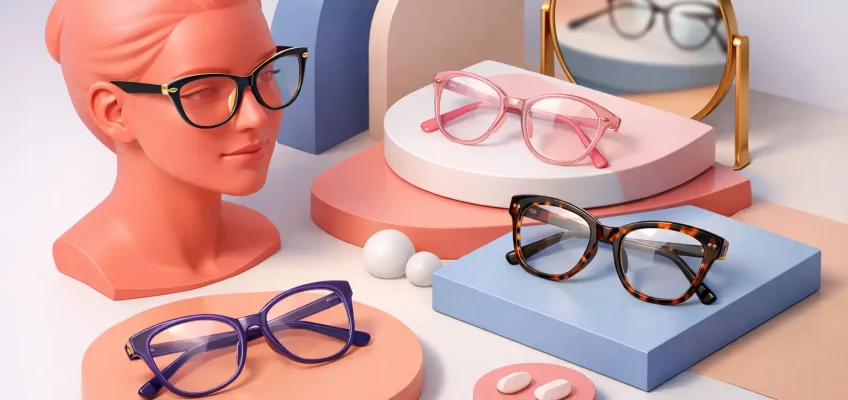
A great pair of glasses does more than sharpen your vision. It can soften a strong jawline, add polish to a simple outfit, or become the accessory you reach for every morning. Women’s designer prescription frames make that everyday choice feel more personal – particularly when you can buy a genuine branded pair at a sensible price.
Pre-loved eyewear is a smart option for women who want distinctive design, quality materials and a recognisable label without the full new-retail cost. The key is knowing what suits you, what your prescription needs, and what to check before choosing a frame online.
Why pre-loved designer frames are worth considering
Designer frames often stand out in the details: a better-balanced silhouette, thoughtful colour combinations, refined temples and branding that feels considered rather than loud. That does not mean every designer frame will suit every face or prescription, but it does give you a wider choice of styles with character.
Buying second-hand can make those choices more affordable. Rather than settling for a basic new frame at the same budget, you may be able to choose a branded style in a shape, finish or colour you genuinely enjoy wearing. It is also a more considered way to shop. Giving a quality frame another life helps reduce waste and makes use of eyewear that still has plenty to offer.
At Maryten, each frame is selected, inspected, cleaned and graded before it is listed. That matters because condition is part of the value. A well-kept pre-loved frame should feel like a confident purchase, not a compromise.
Choosing women’s designer prescription frames for your face
The most flattering frame is rarely about following one fixed rule. Face shape is useful as a starting point, but comfort, proportions and your own style should have the final say. If you love a bolder look, a frame that is slightly outside the usual advice may be exactly right.
Start with the shape you enjoy wearing
Round and oval frames can bring softness to angular features, while rectangular and square styles add definition to rounder faces. Cat-eye frames lift the eye area and can feel feminine without being overly formal. Oversized designs make more of a statement, though they need enough width and bridge support to stay comfortable throughout the day.
If you already own glasses that feel right, use them as your reference point. Look at the overall width, the depth of the lenses and where the top of the frame sits in relation to your brows. You do not need to copy the same style, but these details make it easier to try something new without taking a gamble on fit.
Check frame measurements, not just the photographs
Online photographs show the personality of a frame, but measurements help tell you whether it is likely to fit. Most glasses have three figures printed inside one temple, often shown as lens width, bridge width and temple length. For example, 52-17-140 means a 52 mm lens width, 17 mm bridge and 140 mm temple length.
A few millimetres can make a noticeable difference. Wider lens measurements generally suit a broader face or a more oversized look, while a narrow bridge measurement may feel more secure on some noses. Temple length affects how the frame sits behind your ears. Compare the figures with a pair you wear comfortably where possible.
Also consider frame depth. A deeper lens shape can be useful if you prefer more coverage or have a stronger prescription, while a shallower rectangular frame may suit someone who wants a lighter, neater look.
Match the frame to your prescription
Your optician will fit prescription lenses to a suitable frame, but the frame itself still affects the finished result. Stronger prescriptions can sometimes produce thicker lens edges, especially in large or very wide frames. Choosing a smaller, rounder or more centred lens shape may help keep the lens appearance more balanced.
This does not rule out statement glasses if you have a higher prescription. It simply means it is worth discussing lens thinning options with your optician before you commit. Frames with a sturdy acetate front can also disguise lens edges more effectively than very fine metal styles.
For varifocal lenses, sufficient lens depth is usually helpful. A very shallow fashion frame may look brilliant, but it may not leave enough room for a comfortable progressive lens corridor. If you are unsure, keep the product measurements to hand and ask your optician to check suitability.
Style details that make a frame feel like yours
Black frames are classic for a reason, but they are far from the only practical choice. Tortoiseshell brings warmth and works beautifully with neutral wardrobes. Clear acetate can look fresh and light on the face. Burgundy, deep green, navy and plum offer colour without feeling difficult to wear, while patterned frames are ideal if you want your glasses to do more of the talking.
Think about when you will wear them. A refined metal or slim acetate frame can work well in an office or for everyday errands. A larger cat-eye, a graphic square shape or a vintage-inspired colourway can make an excellent second pair for weekends, events or simply changing your look.
Brand names can be a useful guide to design character, but they should not be the whole decision. Marc Jacobs frames may appeal if you like expressive, fashion-led shapes. Hugo Boss and Boss Orange can suit a more understated wardrobe, while Cath Kidston often brings playful colour and pattern. The best choice is the one that feels natural when you imagine wearing it on an ordinary Tuesday, not only for a photo.
What condition means when buying pre-loved frames
Pre-loved does not mean one standard condition. Some frames may show very light signs of previous wear, while others have more visible cosmetic marks. Clear condition grading helps you decide what feels right for your budget and expectations.
Look closely at the listed description and photographs, paying attention to the front of the frame, temples, hinges and nose pads where relevant. Minor signs of use may be part of the appeal of buying second-hand, particularly on a vintage pair, but the frame should still be structurally sound and ready for new lenses.
Hinges deserve particular attention. They should open and close smoothly without feeling loose, and the temples should sit evenly. A thorough inspection before sale offers reassurance, but any frame can benefit from a final adjustment by an optician once your lenses are fitted. Small adjustments to the temples and nose area often transform a good fit into a very comfortable one.
A smarter way to build your eyewear wardrobe
There is no rule saying you should own only one pair of prescription glasses. If your budget allows, a practical everyday frame and a more expressive pair can make getting dressed easier. One might be understated for work, while the other gives a favourite coat, knit or evening outfit a different feel.
Pre-loved designer eyewear makes this more achievable. You can focus on choosing quality and individuality rather than paying for the fact that a frame has just left a shop shelf. It also opens the door to older collections and discontinued shapes that are less likely to look the same as everyone else’s.
Take your time with the measurements, read the condition details and choose a frame you will be pleased to see on your bedside table each morning. The right pair should feel like a smart saving, a style choice and a useful everyday companion all at once.
